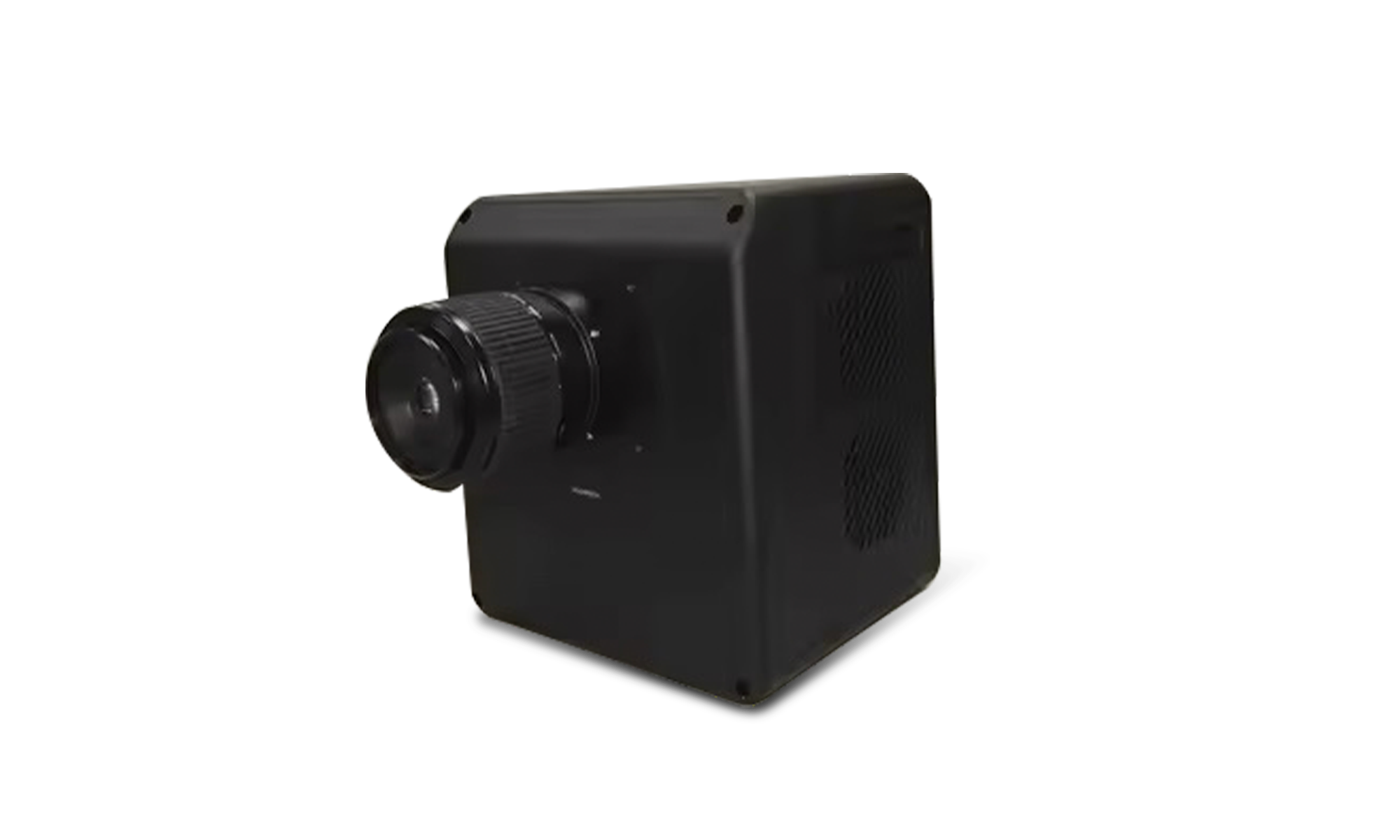




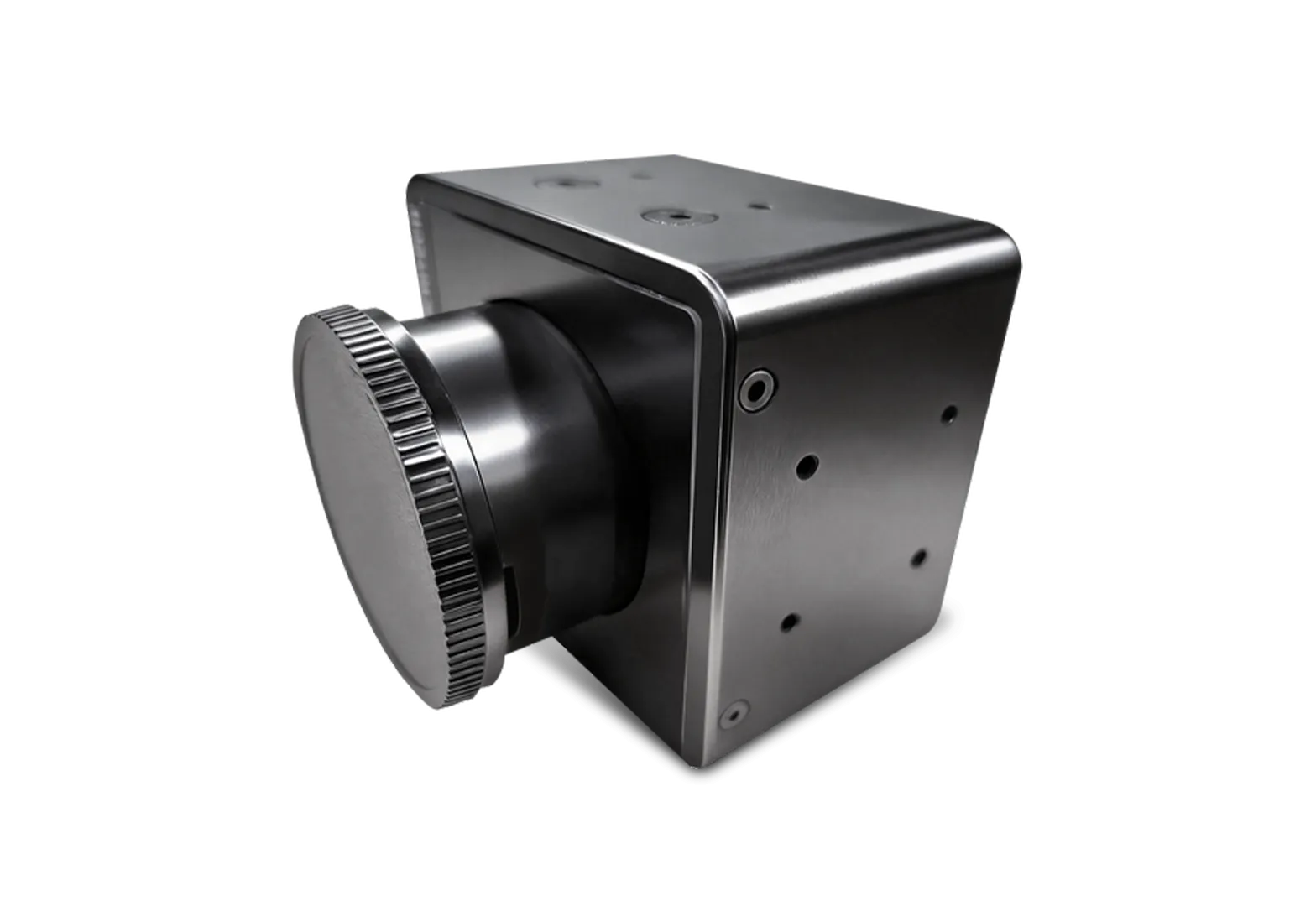
Imaging Luminance Meter
Widely used for measuring brightness uniformity and detecting defects in display devices, Micro-LED, Mini-LED, AR/VR near-eye displays, vehicle displays, backlight modules, and optical modules, the meter quickly captures brightness distribution information across the entire surface of the object under test. It accurately measures core optical parameters including brightness and luminance uniformity, supports single-pixel refined detection, and efficiently identifies subtle defects such as dark spots, bright spots, and Mura (non-uniform brightness) on the luminous surface.
Scroll to Explore
Product Advantages
-
01Uses a high-resolution CMOS sensor with micron-level spatial resolution, suitable for testing Micro-LED, OLED, and other micro-display devices
-
02The luminance distribution map of the entire display area can be captured in a single acquisition, which significantly improves measurement efficiency
-
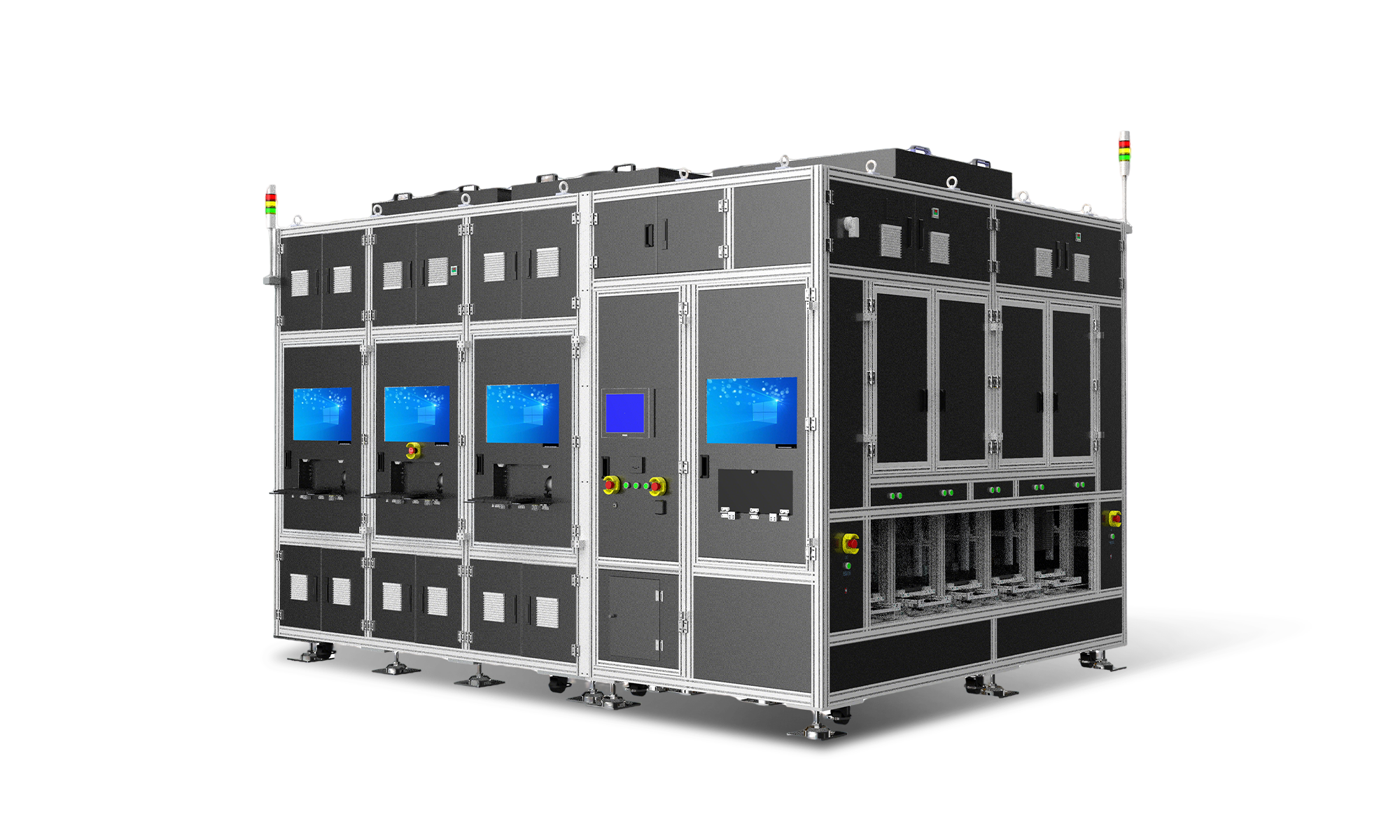
03It can be integrated with auto focus, auto exposure, and industrial interfaces, suitable for automatic test systems on production lines
-
04Open measurement and analysis capabilities support a variety of customization requirements. With a high-consistency and high-stability design, it is suitable for engineering and production line applications
Product
Features
1. 2D Luminance Distribution Measurement: Obtains luminance distribution images of the object under test in real time and calculates key indicators such as maximum value, minimum value, mean, and uniformity
2. ROI Analysis and Batch Statistics: Supports multiple ROI setting methods such as single point, rectangle, and array, suitable for pixel-level and module-level luminance analysis
3. Brightness Consistency and Defect Evaluation: Can be used for detecting brightness anomalies, evaluating brightness uniformity, detecting dark spots and bright spots, performing trend analysis, and supporting process and yield evaluation
4. Calibration and Data Traceability Support: Supports system-level brightness calibration process and makes measurement results traceable to meet the needs of R&D and customer audits